
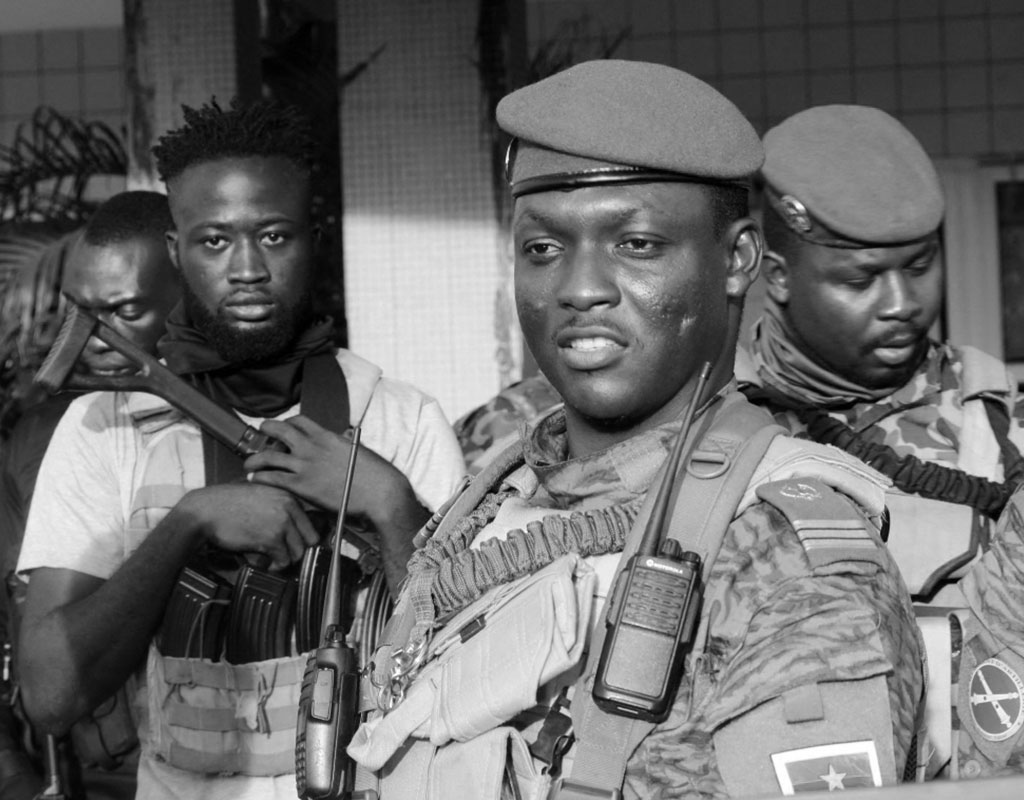
In the realm of elections, democracy, and governance, the increasing occurrence of coup d’états across several African nations presents a formidable challenge. As a seasoned professional deeply immersed in this field, I have borne witness to the intricate nature of leadership transitions amidst these political upheavals. In this article, we will delve into the strategies employed by Electoral Management Bodies (EMBs) and industry experts, like myself, to navigate these transitions, with a particular emphasis on the imperative of resilience and adaptability during these pivotal moments.
Managing leadership transitions effectively hinges on unwavering vigilance. When confronted with coup attempts or successes, the continuous monitoring of the situation becomes paramount. This entails a thorough analysis of the political landscape, identification of key stakeholders, and an assessment of the potential repercussions on democratic institutions.
Equally pivotal is the engagement in diplomacy with both local and international stakeholders to foster peaceful solutions. Diplomatic efforts play a central role in mediating disputes and fostering dialogue among conflicting parties. Regional organizations and international bodies often participate, aiding in the facilitation of negotiations.
The bolstering of the resilience of democratic institutions takes precedence. Experts in the fields of elections and democracy collaborate to fortify electoral commissions, judicial systems, and civil society organizations. This collaborative support ensures that these institutions can withstand the turbulence of political unrest while remaining steadfast in upholding democratic values.
In our increasingly interconnected world, cross-border collaboration is pivotal. During transitions of this nature, experts in elections and democracy actively cultivate alliances with organizations and governments that share an unwavering commitment to democracy. Such collaborations are geared towards joint efforts in addressing political crises.
Each coup presents a distinctive array of challenges. Therefore, it is imperative that during such transitions, industry experts remain flexible, adjusting their strategies to align with the unique contextual factors, including cultural, historical, and political influences that shape the situation.
The surge in coup d’états across Africa underscores the urgent demand for expertise in the fields of elections, democracy, and governance. Our task is to adeptly navigate these turbulent times by preserving democratic principles. Through tireless vigilance, diplomatic overtures, institutional support, public engagement, international collaboration, and adaptability, our commitment to guide nations through peaceful leadership transitions, must be unwavering to safeguard democracy as the cornerstone of governance on the continent. #Niger #Mali #Gabon #BurkinaFaso